Table of Contents
ToggleLatest Update – May 2026
The IRS continues increasing enforcement activity around identity theft, phishing schemes, fraudulent tax credits, and abusive tax promotions in 2026. CPA firms are under growing pressure to detect suspicious filings early, maintain strong documentation controls, and protect sensitive client data throughout filing season.
The latest guidance also reflects how scam tactics are evolving through AI-generated communications, fake IRS impersonation calls, and misleading social media tax advice.

The IRS releases an annual list of high-risk tax scams that threaten taxpayers, CPA firms, and finance teams. The 2026 version highlights risks tied to phishing, identity theft, fake tax credit promotions, ghost preparers, and fraudulent refund schemes.
For CPA firms, these scams create operational pressure beyond compliance concerns. They affect filing accuracy, documentation workflows, client trust, and data security during already demanding tax cycles.
Key Facts at a Glance
|
Topic
|
Key Insight
|
|---|---|
|
IRS Focus |
Fraudulent claims, identity theft, and preparer scams remain key enforcement priorities |
|
High-Risk Area |
AI-generated phishing emails and IRS impersonation scams |
|
Operational Impact |
Delayed filings, amended returns, and documentation reviews |
|
Compliance Concern |
Increased scrutiny around unsupported tax credits |
|
Workflow Pressure |
Seasonal filing volume increases exposure to scams |
|
Risk Mitigation |
Strong review controls and secure client communication systems |
Quick Read
- The dirty dozen list highlights major tax scams identified by the IRS each year
- CPA firms are increasingly targeted through phishing and client impersonation attempts
- Fraudulent credit claims remain under IRS scrutiny
- Weak documentation controls can create audit and reporting issues
- Internal review procedures are critical during peak filing periods
- Secure communication and verification workflows reduce fraud exposure
- Firms using outsourcing tax preparation support often improve review bandwidth during filing surges
Introduction
Tax scams rarely appear obvious anymore. They often arrive through seemingly routine client emails, urgent refund requests, suspicious credit claims, or manipulated payroll documents submitted during filing season pressure.
That is why the annual dirty dozen list continues to matter for CPA firms and accounting teams. The IRS is no longer focused only on taxpayer fraud. Enforcement activity increasingly examines preparer due diligence, documentation quality, digital security controls, and filing oversight procedures.
For accounting firms already balancing deadlines, staffing constraints, and client expectations, one suspicious filing can create weeks of operational disruption. Amended returns, delayed refunds, IRS notices, and compliance reviews all consume time that finance teams usually cannot spare during peak periods.
The 2026 environment introduces additional complexity. Scam tactics are becoming more sophisticated, faster, and harder to identify. AI-generated phishing messages, fake IRS communications, and fraudulent refund schemes are creating additional review pressure across accounting workflows.
What Is the IRS Dirty Dozen List?
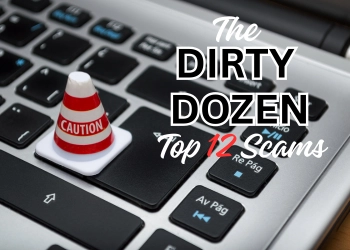
The annual IRS dirty dozen list is a public awareness campaign published by the IRS to warn taxpayers and tax professionals about common tax scams and abusive schemes. The IRS uses the annual Dirty Dozen campaign to highlight fraud risks that commonly affect taxpayers, tax preparers, and accounting firms during filing season.
The dirty dozen IRS campaign is not a formal legal enforcement list, but it plays an important role in helping CPA firms identify operational and compliance risks early. Many accounting firms use these warnings to strengthen review procedures, improve client communication controls, and reduce filing errors during peak reporting periods.
As filing complexity continues increasing, the IRS dirty dozen tax scams identified each year are becoming more relevant for firms managing large client volumes, compressed timelines, and growing documentation requirements.
The IRS Dirty Dozen Tax Scams for 2026
The following schemes are among the major risks highlighted in the dirty dozen list 2026 campaign and related IRS enforcement warnings for 2026.
Phishing and Smishing Scams
Fraudsters use fake emails, text messages, and IRS impersonation tactics to steal taxpayer credentials, banking information, and filing data.
AI-Generated IRS Impersonation Calls
Scammers increasingly use AI-generated voice technology to imitate IRS agents and pressure taxpayers into making payments or disclosing sensitive information.
Social Media Tax Misinformation
Online platforms continue spreading inaccurate refund strategies and unsupported deduction claims that create filing risks for taxpayers and preparers.
Ghost Tax Return Preparers
Some preparers file returns without signing them or providing valid PTIN information, leaving taxpayers exposed to compliance problems.
Identity Theft and Stolen Taxpayer Data
Cybercriminals target taxpayer records, Social Security numbers, and refund information to file fraudulent tax returns.
False Withholding Documentation
Fraudulent withholding forms and manipulated payroll records can trigger refund errors, filing inconsistencies, and IRS scrutiny.
Fake Charities
Scammers create fraudulent charities to collect taxpayer information and solicit fake donations during disasters or crisis events.
Bogus Self-Employment Tax Credit Promotions
Promoters market fake self-employment tax credits to taxpayers who do not meet eligibility requirements.
Abusive Undistributed Long-Term Capital Gain Claims
Certain schemes improperly encourage taxpayers to claim credits tied to Form 2439 without legitimate qualifying activity.
Non-Cash Charitable Contribution Schemes
Non-Cash Charitable Contribution Schemes
Offer in Compromise Mills
Some firms aggressively market settlement programs to taxpayers who may not qualify for legitimate IRS debt relief options.
Spear Phishing Attacks Against CPA Firms
Accounting firms continue facing sophisticated phishing attempts disguised as client communications, payroll requests, or internal approval emails.
The growing sophistication of the IRS dirty dozen tax scams 2026 demonstrates how fraud risks are shifting beyond taxpayers alone and increasingly targeting accounting workflows, filing systems, and financial reporting processes.
Why the IRS Dirty Dozen Matters More in 2026
The latest IRS dirty dozen warnings reflect a broader enforcement shift. The IRS is placing stronger emphasis on preparer accountability and documentation quality, especially for questionable credits and refund claims. Many firms assume fraud exposure is limited to cybersecurity incidents. In practice, the operational damage often begins much earlier during intake, reconciliation, or filing review stages. These issues create operational strain because they interrupt standard workflows. Teams may need to pause filings, verify historical records, review payroll reports, or communicate repeatedly with clients to confirm legitimacy. The complexity of modern filing environments also means junior preparers and overloaded review teams face greater risk of missing inconsistencies during peak workload periods.
Operational Risks for Accounting Teams
The impact of the dirty dozen list extends beyond compliance penalties. Many firms underestimate the operational consequences tied to fraudulent filings or suspicious activity
Increased Review Bottlenecks
When questionable documentation appears late in the filing cycle, managers often need secondary reviews, partner approvals, or additional reconciliation work. This slows return processing across the broader workflow. Month-end close schedules and tax filing timelines can quickly overlap, creating resource pressure for firms already operating with lean staffing models.
Audit Exposure and Documentation Gaps
The 2026 dirty dozen focus areas place heavy importance on documentation integrity. Missing payroll support, incomplete expense records, or inconsistent client data can create:
- Extended audit preparation time
- Delayed responses to IRS notices
- Increased amendment work
- Reporting inconsistencies across systems
Data Security Concerns
Cybersecurity risks tied to the IRS dirty dozen list continue expanding. Accounting firms manage large volumes of sensitive taxpayer data, banking records, payroll information, and Social Security numbers. Without secure workflows, firms risk:
- Credential theft
- Client data breaches
- Unauthorized filings
- Payment diversion schemes
How CPA Firms Can Strengthen Internal Controls
Reducing scam exposure requires operational discipline more than reactive troubleshooting.
Improve Verification Procedures
Firms should establish mandatory verification for:
- Banking changes
- Refund requests
- Payroll revisions
- Tax ID updates
- large amended filings
Standardize Documentation Reviews
Strong review workflows help accounting teams identify inconsistencies earlier. Effective practices include:
- Dual-review procedures for unusual credits
- Consistent document retention policies
- Clear preparer sign-off requirements
- Secure intake checklists
Expand Filing Capacity During Peak Periods
Heavy filing volume often increases operational risk because teams work under compressed timelines. Many firms improve review accuracy through structured support models, including outsourcing tax preparation functions that help reduce internal bottlenecks while maintaining review oversight and documentation consistency.
How KMK Associates Helps
KMK Associates supports CPA firms and finance teams with operational accounting and tax support designed around accuracy, consistency, and execution reliability.
During high-volume filing periods, firms often struggle with review delays, reconciliation backlogs, documentation tracking, and reporting pressure. These issues become more difficult when teams are simultaneously managing compliance reviews tied to the dirty dozen IRS warnings and broader IRS enforcement activity.
Our support model helps firms improve workflow efficiency through:
- Structured tax preparation support
- Documentation organization and review assistance
- Reconciliation management
- Reporting consistency controls
- Filing workflow support during peak seasons
- Scalable accounting execution capacity
Teams also benefit from stronger operational visibility during periods of increased filing volume and compliance scrutiny.
For firms managing growing client demand, structured support around outsourcing tax preparation can help maintain turnaround timelines without compromising review quality or documentation standards.
Need Better Protection Against Tax Filing Risks?
KMK helps CPA firms reduce compliance risks during tax season through accurate workflows and scalable accounting support.
Conclusion
The scams included in the IRS dirty dozen warnings continue evolving because financial pressure, digital communication, and filing complexity continue evolving too.
For CPA firms, the challenge is no longer limited to identifying obvious fraud. The bigger issue is maintaining consistent review quality while managing compressed timelines, staffing limitations, and rising documentation expectations.
The firms that handle these risks effectively are usually the ones with disciplined workflows, clear verification procedures, and enough operational capacity to review filings carefully even during peak periods.
Still not clear? That’s where KMK comes in. Our team helps CPA firms strengthen accounting operations, improve reporting consistency, and support tax workflows with scalable execution support built around accuracy and compliance.
FAQs
The IRS publishes the annual IRS dirty dozen list to warn taxpayers and tax professionals about scams that could lead to fraudulent filings, identity theft, or compliance violations. The list also helps CPA firms strengthen internal controls and identify higher-risk filing patterns before returns are submitted.
CPA firms are expected to exercise due diligence and maintain reasonable review procedures. If preparers ignore obvious inconsistencies or fail to verify suspicious claims, firms may face penalties, audit exposure, or reputational damage tied to IRS dirty dozen tax scams and unsupported filings.
Phishing emails, fake refund requests, fraudulent credit claims, and identity theft remain some of the most common risks associated with IRS dirty dozen 2026 guidance. Many scams are designed to exploit high filing volume and rushed approval processes during peak reporting periods.
Firms can reduce risk by improving verification procedures, standardizing review workflows, strengthening documentation controls, and limiting unauthorized communication channels. Additional operational support during seasonal spikes also helps teams maintain accuracy while handling increased workloads tied to the 2026 dirty dozen concerns.
Many accounting firms are reevaluating staffing approaches because filing complexity, compliance pressure, and seasonal workload spikes continue increasing. Structured support models involving outsourcing tax preparation can help firms improve turnaround times, maintain documentation consistency, and reduce operational bottlenecks without compromising review oversight.
What Next?
Protect Your Firm from Tax Filing Risks in 2026
The operational impact of fraudulent filings goes far beyond IRS notices. Delayed reviews, documentation gaps, amended returns, and client trust issues can place unnecessary pressure on already stretched accounting teams. KMK Associates helps CPA firms improve tax workflow efficiency, strengthen review processes, and maintain reporting accuracy during demanding filing cycles. Whether your team needs support with reconciliation, documentation management, or scalable tax preparation assistance, we provide practical accounting support aligned with compliance and operational consistency.